

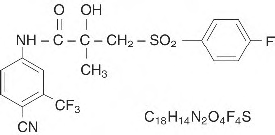
Casodex
| Contato
Página Inicial
Karen Barnard, MBBCh
- Adjunct Assistant Professor in the Department of Medicine
https://medicine.duke.edu/faculty/karen-barnard-mbbch
Past Obstetric History Besides history of cesarean section mens health spartacus workout buy casodex 50mg without prescription, identifiable risk factors in a past pregnancy may help predict placenta accreta androgen hormone production buy casodex line. This variable has received little attention prostate cancer psa scale casodex 50 mg purchase on line, given that accreta often results in hysterectomy mens health 50 cheap 50mg casodex overnight delivery. However prostate cancer 7 on gleason scale order casodex 50mg, as uterine conservation and accreta without previa is increasingly performed and reported, outcomes in subsequent pregnancies are increasingly described. In 30 women undergoing cesarean section with conservative management of accreta, Eshkoli et al. Placenta Accreta: Epidemiology and Risk Factors 7 Current Pregnancy Factors Given the importance of antepartum accreta identification and delivery planning, factors beyond second and third trimester ultrasound findings have been evaluated as potential predictors of accreta. While such a finding often leads to pregnancy termination, those who continue their pregnancies should be considered very high risk for placenta accreta. One series of 10 such patients showed a 100% rate of placenta accreta,40 while a second reported accretas in three of five ongoing pregnancies (60%). This is true when comparing accreta to non-accreta pregnancies in general,11 when comparing hysterectomies for accreta to cesarean hysterectomies for other indications,42 or when comparing previa accretas to previas without accreta. While the use of serum markers to identify accreta patients appears promising, appropriate cutoffs and associated predictive values have not been firmly established. This hypothesis has been supported in a number of different contexts, beyond a history of prior uterine surgery or cesarean section. Smoking has variably been described as a risk factor for placenta accreta, with two studies showing a positive relationship between smoking and accreta,8,16 while a third showed no association. Some reports described accretas after prior uterine fibroid embolization, which is often considered a relative contraindication to future pregnancy. Since then, multiple studies have shown a significant association, with odds ratios ranging from 2. More research in this area is needed to sort out the role of embryo freezing from that of endometrial effects and to determine potential modifiable risk factors for abnormal placentation, such as method of freezing or endometrial preparation. Whether this finding extrapolates to non-previa accretas in general needs to be elucidated. The first large published case series described densely adherent placentas, usually found after vaginal delivery. These women generally had high parity, no placenta previa, and no prior cesarean section. While reports in the 1990s described accreta only in the setting of a placenta previa,12,19,20 later studies again included those without previas and with vaginal deliveries. As maternal age, assisted reproductive technology, and the use of cryopreserved and donated oocytes rise, we may expect to see 10 Placenta Accreta Syndrome more morbidly adherent placentation, both with and without placenta previa. The morbidity related to these deliveries is undeniable, from the first peripartum blood transfusion in 1927 to more recent maternal mortality estimates exceeding one in 1,000 women. Identification of patients at risk and preparation for potentially complicated deliveries will be an important part of reducing this severe morbidity. Much work remains to understand the incidence and risk factors for placenta accreta. However, both clinical and pathologic diagnosis at the individual patient level still require standardization. Ultimately, it may make most sense to define accreta as a disease spectrum, distinguishing whether a placenta is merely adherent or truly invasive, the degree of vascularity involved, and whether it is found only histologically or has a clinical correlation. Results will necessarily vary according to the accreta definition used (clinical or pathologic, with previa or without) and the specific set of variables queried. As researchers are able to assemble larger databases, independent risk factors can be elucidated more reliably, though this will also rely on standardized diagnostic criteria. As this work progresses, improvements should be made both in patient identification and management, and ultimately in reducing disease incidence by managing modifiable risk factors. Placenta accreta: Incidence and risk factors in an area with a particularly high rate of cesarean section. Abnormally invasive placenta-prevalence, risk factors and antenatal suspicion: Results from a large population-based pregnancy cohort study in the Nordic countries. Myometrial fibers in the placental basal plate can confirm but do not necessarily indicate clinical placenta accreta. Risk factors and morbidity in patients with placenta previa accreta compared to placenta previa non-accreta. Placenta accreta: Risk factors, perinatal outcomes, and consequences for subsequent births. Contribution of placenta accreta to the incidence of postpartum hemorrhage and severe postpartum hemorrhage. Pregnancy outcomes for women with placenta previa in relation to the number of prior cesarean deliveries. Uterine sutures at prior caesarean section and placenta accreta in subsequent pregnancy: A case-control study. The risk of placenta accreta following primary elective caesarean delivery: A case-control study. The likelihood of placenta previa with greater number of cesarean deliveries and higher parity. Risk of uterine rupture and placenta accreta with prior uterine surgery outside of the lower segment. Subsequent pregnancy outcome after conservative treatment of a previous cesarean scar pregnancy. Outcome of cesarean scar pregnancies diagnosed sonographically in the first trimester. Placenta accreta/percreta/ increta: A cause of elevated maternal serum alpha-fetoprotein. Endometrial resection mandates reliable contraception thereafter-A case report of placenta increta following endometrial ablation. Risk of placenta praevia is linked to endometrial thickness in a retrospective cohort study of 4537 singleton assisted reproduction technology births. The effect of smoking on oocyte quality and hormonal parameters of patients undergoing in vitro fertilization-embryo transfer. Focal myometrial defect and partial placenta accreta in a pregnancy following bilateral uterine artery embolization. Placenta percreta and uterine rupture associated with prior whole body radiation therapy. Adverse obstetric and perinatal outcomes of singleton pregnancies may be related to maternal factors associated with infertility rather than the type of assisted reproductive technology procedure used. Impact of frozen-thawed singleblastocyst transfer on maternal and neonatal outcome: An analysis of 277,042 single-embryo transfer cycles from 2008 to 2010 in Japan. As a consequence, mothers not only increasingly survived the surgical procedure but were also able to have one or more subsequent pregnancies. Causes include surgical abortions, insertion of an intrauterine device, myomectomy, chemotherapy, and radiation. This terminology which was only used by nineteenth-century physicians to describe a retained placenta is confusing as it refers to a placenta that is superficially adherent to the uterine wall without invasion of the myometrium by chorionic villi. Difficulty in manually removing the placenta after a birth with excessive bleeding is often perceived by clinicians as being due to abnormal placental adherence and thus classified as accreta. Further studies should clearly separate the two conditions and include a detailed pathological examination correlated with prenatal imaging features in each case. The Uterine Scar Effect On the anterior uterine wall of the uterine corpus, the muscle fibers from each side crisscross diagonally with those of the opposite side but run in a predominantly transverse direction. The so-called "classical" vertical uterine incision does much more damage to the myometrium and is at higher risk of spontaneous uterine rupture in subsequent pregnancies than the transverse lower segment incision. It is therefore only used in rare cases of very early preterm birth (2325 weeks), the delivery of the fetus in cases of placenta previa accreta, and for the delivery of conjoined twins. Postsurgical Uterine Healing Ferdinand Kehrer (18371914) and Max Sänger (18531903) each independently developed uterine closure methods using sutures made of silver wire, as utilized successfully by the American gynecologist James Marion Sims (18131883) to repair vesico-vaginal fistulae. All have different properties, which can potentially have an impact on the healing process. Schwarz, for example, concluded that if the cut surfaces are closely apposed, the proliferation of the connective tissue is minimal, and the normal relation of the smooth muscle to connective tissue in gradually reestablished. The resulting scar tissue is weaker, less elastic, and more prone to injury and dehiscence (separation) than the intact muscle. Myofiber disarray, tissue edema, inflammation, and elastosis have all been observed in uterine wound healing after surgery. Overall, single-layer closure compared with double-layer closure of the uterine incision is associated with a statistically significant reduction in mean blood loss and duration of the operative procedure. Scar Pregnancies A caesarean scar pregnancy is the implantation of clinically detectable pregnancy into a scar. It can be recurrent and is associated with severe maternal morbidity and significant mortality from very early in pregnancy. This can probably explain why cervical scar pregnancies are more 18 Placenta Accreta Syndrome symptomatic and almost always lead to major bleeding early in pregnancy. These data suggest that a scar pregnancy does not systematically lead to villous tissue entering the myometrium, but depending on the size and location of the scar defect, the symptoms of an accreta and a non-accreta scar pregnancy can be very similar. The oldest concept is based on a theoretical primary defect of trophoblast biology leading to excessive invasion of the myometrium. The process is complex and involves many local uterine components and external maternal cells and hormones. Decidualized stromal cells are derived from the fibroblast-like cells within the endometrium, which maintain their progesterone receptors in the presence of progesterone. Progesterone also initiates the proliferation on endometrial glands from before the blastocyst implants. The secretions also represent an important source of nutrients, histotroph, for the conceptus during the first trimester. On establishing contact, some of the trophectoderm cells undergo proliferation and fusion to from the multinucleated syncytiotrophoblast, whereas others remain as a deeper, progenitor population, the cytotrophoblast cells. Tongues of syncytiotrophoblast penetrate between the epithelial cells, while at the same time the endometrial stromal cells grow over and encapsulate the conceptus. The combination of these actions leads to the conceptus soon becoming completely embedded within the stratum compactum of the endometrium. Soon after, strands of mononuclear cytotrophoblast start to proliferate at the fetal side of the implanted blastocyst wall. The most distal cytotrophoblast cells break through the syncytium and spread laterally to form the cytotrophoblastic shell separating the placenta from the decidua. They differentiate primarily into interstitial and endovascular subpopulations that migrate through the decidual stroma and down the lumens of the spiral arteries, respectively. They gradually extend laterally, reaching the periphery of the placenta around midgestation. Depthwise, the changes are maximal within the central region of the placental bed, and the extent of invasion is progressively shallower toward the periphery. The endovascular cells also act as plugs blocking the spiral arteries and preventing maternal blood flow from entering the intervillous space during the first 1012 weeks of gestation. Insufficient activation of the maternal immune cells is associated with complications of pregnancy, including miscarriage, preeclampsia, and growth restriction. In normal pregnancies, the transformation of spiral arteries into utero-placental arteries is described as completed around midgestation. Trophoblast invasion is notably more aggressive and more penetrative at sites of ectopic implantation, for example, in the Fallopian tube, in the absence of decidua. The precise regulation of trophoblast invasion will therefore depend on the balance of local concentrations of many factors and also the composition of the extracellular matrix. Having passed through the decidua the cells are now largely beyond the reach of the maternal immune cells. Is it lack of stimulation that brings them to a halt, Pathophysiology of Accreta 21 or is there a strong local inhibitory signal Equally, is fusion associated with loss of invasiveness, and if so, it is cause or consequence Overall, these data suggest a possible relationship between a poorly vascularized uterine scar area and an increase in the resistance to blood flow in the uterine circulation with a secondary impact on reepithelialization of the scar area and defective subsequent decidualization. Both hormones are essentially produced by the syncytiotrophoblast and reflect its expansion, but no difference in either placental or fetal growth pattern has been reported in abnormally adherent placentas. Deeper trophoblast myometrial invasion and chorionic villi infiltration into myometrial vascular spaces has been recently documented in placenta increta and percreta. It may be that in the absence of a decidua, the normal release of proteases and cytokines from activated maternal immune cells is missing, impairing arterial remodeling. Their protocol facilitates retrospective correlation with surgical and imaging findings as well as standardized tissue sampling for potential research. Correlation of pathological findings with the clinical notes and imaging is essential. Correlation of the ultrasound imaging from early in pregnancy with histopathological examination is pivotal to better understand the natural evolution of this disorder and further collaborative research is essential to improve the diagnosis and management of this increasingly common major obstetric complication. The effect of cesarean delivery rates on the future incidence of placenta previa, placenta accreta, and maternal mortality. Placenta accreta in a patient with a history of uterine artery embolization for postpartum hemorrhage. Impact of frozen-thawed single-blastocyst transfer on maternal and neonatal outcome: An analysis of 277,042 single-embryo transfer cycles from 2008 to 2010 in Japan. The structure of the musculature of the human uterus-Muscles and connective tissue. The fibromuscular structure of the cervix and its changes during pregnancy and labour.
In utero and perinatal mens health 28 day muscle purchase generic casodex from india, watershed zones are much different and center along the deep gray matter interfaces (see Chapter 8) prostate 9 complex buy 50 mg casodex overnight delivery. The assessment of degree of stenosis is complicated by the existence of various methods for measuring stenosis prostate with grief definition cheap casodex 50mg free shipping. Axial computed tomographic image at the level of the lateral ventricles shows large wedge-shaped region of hypoattenuation in the left middle cerebral artery distribution prostate nerves casodex 50 mg buy low cost. There is loss of the gray-white differentiation and sulcal effacement in the affected territory with mild mass effect on the left lateral ventricle prostate cancer journey casodex 50mg purchase with mastercard. Note encephalomalacia in both occipital lobes related to chronic ischemic insult in the posterior cerebral artery distribution. The location and extent of the infarct are determined by the site of embolic occlusion and extent and location of collateral supply to the brain distal to the occlusion. If there is good cortical collateral supply, the infarct may be confined (at least initially) to the basal ganglia and insula in part because of lenticulostriate branch obstructions. Embolic infarcts in the vertebrobasilar system may affect single or multiple vessels. A, Diffusion-weighted image reveals foci of hyperintensity at the right middle cerebral artery-anterior cerebral artery border. B, Hyperintensity within the distal right internal carotid artery (arrow) indicates slow flow and high-grade stenosis. The extent of posterior cerebral artery involvement is dependent upon the status of the posterior communicating arteries. Lacunar infarcts are small lesions produced by occlusion of deep perforating arteries. Lacunes have a predilection for the basal ganglia, internal and external capsules, pons, and corona radiata. Occlusion of brain stem perforating arteries produces distinctive infarcts that are paramedian, unilateral and tubular in appearance on axial imaging reflecting the location and course of the pontine perforating arteries. Although originally thought to arise from small vessel atherosclerosis and lipohyalinosis associated with hypertension, many other causes of lacunar infarcts have been proposed including emboli, hypercoagulable states, vasospasm, and small intracerebral hemorrhages. These findings indicate acute infarct in the left posterior inferior cerebellar artery territory. A, Diffusion-weighted imaging shows numerous foci of hyperintensity within both cerebral hemispheres and in multiple vascular territories. B, Restriction is confirmed on apparent diffusion coefficient maps, indicating that these represent acute infarcts. This distribution raises concern for central embolic source, such as cardiac source. Fat is discharged into the extracellular space precipitating intimal thickening, proliferation of smooth muscle cells and inflammatory changes eventually resulting in fibrosis and scarring. The endothelial surface of the plaque may degenerate with ulceration of the fibrous cap of the plaque, and subsequent discharge of lipid and/or calcified debris into the vessel lumen. Platelets may accumulate on the ulcerated intimal surface and expose thrombogenic collagen or fat, leading to thrombus formation and platelet emboli. Arterial bifurcations are subject to the greatest mechanical stress and are especially prone to atherosclerosis. The composition of plaques is variable, with some becoming large and fibrotic, producing luminal narrowing, whereas others accumulate lipid and cholesterol. The composition of the plaque may have significant prognostic and therapeutic implications. Plaques with thick fibrous caps may be stable and asymptomatic even while producing significant stenosis. B, Fluid-attenuated inversion recovery image reveals central fluid intensity with peripheral T2 hyperintensity indicative of chronic lacunar infarct. High resolution surface coil black blood imaging can reveal (1) fibrous plaques show gadolinium enhancement, (2) plaque hemorrhage (blood intensity), (3) calcification (dark on all sequences), and (4) platelet accumulation at a site of plaque disruption through a thin enhancing fibrous cap. Nonischemic causes of stroke including hemorrhage, infection, and tumor are readily detected although often poorly characterized. Acute lacunar infarcts often go undetected and are typically difficult to distinguish from chronic lacunar infarcts. Overall detection rates for acute infarction are approximately 58% in the first 24 hours. It is a skill that requires expertise and experience, and shockingly, a good clinical history. Knowing the neurologic deficit and time of onset of symptoms can really help in picking up the subtle changes of infarct that would otherwise be below the threshold for calling abnormal. Diffusion imaging is a technique that is sensitive to the movement of water molecules (Brownian motion). In pure water, protons move about and jostle each other, and the extent of water molecule motion (self-diffusion) will be determined by temperature. The higher the temperature the more energy the protons possess and the further they will move. The water molecule encounters various barriers and impediments to motion including cell membranes, intracellular organelles and extracellular proteins. The term "apparent" is applied to modify the word "diffusion" connoting the uncertainty of the water motion in biologic samples caused by these barriers. In gray matter these structures are relatively randomly arrayed so diffusion is the same in all directions (isotropic). In white matter diffusion is constrained by the orientation of the white matter tracts. Water will diffuse preferentially along rather than across these tracts and is therefore anisotropic. If the observation time is too short, the paths of most molecules will not be differentially affected by cellular barriers (membranes, proteins, etc. In clinical practice two b values are generally used; however, four or more b values can be measured to improve accuracy of measurement. A, Axial image at the level of the circle of Willis at 3 hours reveals hyperdensity in the proximal left middle cerebral artery, indicating proximal embolic occlusion (arrow). B, Focal hyperdensity in the left sylvian fissure is indicative of distal embolus (arrow). Four acquisitions are obtained at each location (total acquisition time for the brain <1 minute). The three orthogonal images are averaged to produce a "trace" image that is insensitive to the anisotropy created by the orientation of white matter tracts. On the other hand, on images where the diffusion gradients are applied in a right-left orientation, the vertically oriented white matter of the corticospinal tract will appear bright. The trace image is the average of these three acquisitions that eliminates the effects of fiber tract orientation on signal intensity. In clinical practice only the trace image is viewed because in processes like infarction and other diseases it is the magnitude not the directionality of diffusion that is important. However, information on the direction of diffusion and the degree of anisotropy are obtained and can be used to create images that record the direction and integrity of white matter tracts. Subtractions of the diffusion and b0 data can also be used to generate "exponential" diffusion images. Each of these techniques has its advantages and limitations, and therefore the choice of the technique or combination of techniques to be utilized will depend on the clinical circumstances, diagnostic questions and treatment options in each case. Catheter angiography is reserved for those cases in which noninvasive studies do not provide a definitive diagnosis and most importantly when endovascular intervention. Axial fluid-attenuated inversion recovery image shows evidence of parenchymal infarct in the anterior division branch of the left middle cerebral artery. Note prominent hyperintense vessels along the surface of the brain in the infarcted territory, reflecting slow flow in distal arterial branches. Ultrasound uses sound waves to image structures or measure the velocity and direction of blood flow. Colorcoded Doppler ultrasound can depict the residual lumen of the extracranial carotid artery more accurately than conventional duplex Doppler. However, the results from color-coded Doppler ultrasound examinations are operator dependent and can be confounded by artifacts related to plaque contents and limited by vessel tortuosity. Problems include distinguishing high-grade stenosis from occlusion, calcified plaques interfering with visualization of the vascular lumen, inability to show lesions of the carotid near the skull base, difficulty with tandem lesions, and inability to image the origins of the carotid or the vertebral arteries. Transcranial Doppler ultrasound is a noninvasive means used to evaluate the basal cerebral arteries through the infratemporal fossa. It evaluates the flow velocity spectrum of the cerebral vessels and can provide information regarding the direction of flow, the patency of vessels, focal narrowing from atherosclerotic disease or spasm, and cerebrovascular reactivity. It can determine adequacy of middle cerebral artery flow in patients with carotid stenosis and evidence of embolus within the proximal middle cerebral artery. It is very useful in the detection of cerebrovascular spasm following subarachnoid hemorrhage or after surgery in the intensive care unit setting on site, and can rapidly assess the results of intracranial angioplasty or papaverine infusions to treat vasospasm. In some cases, injection of contrast material may be problematic in patients with compromised renal function, given recent concern for development of nephrogenic systemic sclerosis in patients with relatively low glomerular filtration rates (<30 mL/min/1. Once the imaging data is gathered Vessels It is obviously important to have knowledge of the arteries and veins in assessing individuals presenting with "stroke. To visualize the arteries without interference from the veins, an initial superiorly positioned nonspatially localized saturation pulse is applied. Subacute intramural clot in dissections and venous sinus thrombosis will also appear bright and may be mistaken for flow. Complex subtraction of data from the two acquisitions (one of which inverts the polarity of the bipolar gradient) will cancel all phase shifts except those resulting from flow. This technique provides excellent background suppression to differentiate flow from other causes of T1 shortening such as subacute hemorrhage or fat. Timing is critical as enhancement of veins confounds the ability to demonstrate arterial anatomy. Because it is noninvasive and does not utilize ionizing radiation, it is an excellent screening test for cervical vascular disease. It is therefore a useful tool for screening asymptomatic patients with a risk of intracranial aneurysm. It can also be used to follow patients with known nonruptured aneurysms and patients who have undergone endovascular coiling of aneurysms. The aneurysm at the anterior communicating artery complex is more clearly defined on the 3T image (arrow). Current 16-128 row scanners can provide excellent visualization of extracranial and intracranial vessels without venous contamination (assuming accurate timing of contrast bolus injection). New 320 row detector scanners can acquire data from the entire brain simultaneously and therefore, with multiple acquisitions, produce time resolved angiographic studies that mimic catheter angiography in their appearance. Tissue density may be variable between a high-energy spectrum and a low-energy spectrum, and this attenuation difference allows a more nuanced examination of tissue characteristics. Iodine and calcification in vessels may be more easily differentiated on images because they have different responses to high (120 kVp) and low energy (50 kVp) radiation. The origins of the great vessels at the arch can be difficult to reliably assess on computed tomography angiography because of streak artifact from bolus injection and shoulders. This is because flow within this vessel is in the opposite direction and has been suppressed along with the venous structures by the intentionally applied saturation pulse. The cause is a stenosis of the proximal left subclavian artery (arrowhead), which is hard to believe on this projection, but much more plausible (arrowhead) on the oblique view (C). C, Sagittal maximum intensity projection reconstruction shows the same stent in the craniocaudal dimension to be widely patent. Faster imaging acquisition and higher spatial resolution allow for accurate assessment of vascular morphology, such as in the setting of aneurysms or extracranial stenoses. Intracranial embolic occlusion is more easily seen and focal thrombus within proximal intracranial vessels may be directly visualized. While workstations have improved the ability to detect aneurysms near the skull base, in particular within and adjacent to the cavernous sinus, skill (of the nunchuck, bow hunting, and computer hacking variety) at image manipulation is often required to make aneurysms in this region visible. Conventional Catheter Angiography Arterial catheter angiography is the definitive imaging modality for vascular lesions of the brain and great vessels of the neck but has been relegated to a secondary role in the diagnosis of stroke. In the hyperacute strike setting, catheter angiography is primarily used in stroke treatment for planning and execution of thrombolysis and stenting. For assessment of arteriovenous malformations and fistulas, selective catheter angiography is necessary to obtain time resolved images that separate arterial and venous components of the malformations. Because the treatment of this disorder is not without risk, catheter angiography may be performed to confirm or exclude the diagnosis and may be used to determine the best site for biopsy if necessary. Catheter angiography is a safe (but not completely harmless) study and in many situations provides crucial information. The incidence of all complications for femoral artery catheterizations is approximately 8. A, Coronal maximum intensity projection from computed tomography angiography examination in this patient presenting with diffuse subarachnoid hemorrhage shows a lobulated aneurysm arising from the anterior communicating artery complex (arrow). B, Conventional catheter angiogram redemonstrates the aneurysm to better advantage (arrow), with (C) rotational three-dimensional reconstructed images better depicting the lobulated morphology of the aneurysm (arrow). In individuals with acute or chronic ischemic disease, catheter angiography is used in selective cases, in particular if endovascular intervention is contemplated. It is an excellent albeit invasive method for determining whether a lesion is hemodynamically significant in the carotid circulation (Box 3-2). Assessment of collateral circulation distal to a stenosis or occlusion is most easily determined with catheter angiography, where serial images show the presence, source, and extent of collateral supply to the brain. Detection of ulcerated plaques is more accurate with conventional catheter angiography than noninvasive angiography. However, on all types of angiographic exams, it is difficult to distinguish ulceration from irregularity.
Posterior segments hemorrhages can be centered in the vitreous or can be seen with retinal or choroidal detachments oncology prostate cancer discount casodex 50 mg amex. Lens dislocations or acute traumatic cataracts (low in density) can be seen in the setting of ocular trauma dr lam prostate oncology specialists cheap casodex 50mg with amex. These findings are critical to report to the clinical service prostate size casodex 50 mg buy on-line, as such findings may be difficult to appreciate on physical exam when the eye is swollen shut prostate cancer institute cheap casodex 50 mg with mastercard. A direct blow to the maxillary sinus can cause a "blow-in" fracture prostrate knotweed wiki casodex 50 mg buy lowest price, with elevation of the orbital floor into the orbit. Diagnosis is important because vision can be rapidly lost and operative nerve sheath decompression can be restorative. The zygoma can be displaced posteriorly and medially, causing difficulty with the normal motion of the jaw. When this occurs, the lateral wall (at times the anterior and posterior walls as well) of the maxillary sinus is involved (the fourth foot in the tripod) in addition to the floor of the orbit. If the mandibular canal, which conveys the mandibular nerve, is involved by fracture, this should be reported. Additionally, injury to adjacent teeth including loosening and/or fracture should be commented upon, because in the obtunded patient, these can be aspirated and result in future complications. The temporomandibular joint should be assessed for displacement, keeping in mind physiologic anterior subluxation of the condylar head relative to the glenoid fossa in the open mouth position. Three-dimensional surface rendered reformations can be very useful to the clinician when surgical reconstruction is being planned. Three-dimensional surface rendered reconstruction of the face says it all and shows coexistence of multiple facial injuries simultaneously. The fractures typically involve the nasal bones, medial maxillary buttresses, nasal septum, ethmoid sinuses, and medial orbital walls. A LeFort I (transmaxillary fracture) refers to a fracture that extends around both maxillary antra, through the nasal septum and the pterygoid plates. The maxilla is free from the rest of the facial bones (floating palate) and is usually displaced posteriorly. It results in disarticulation (usually posteriorly) of the nose and maxilla from the remainder of the face. The fracture lines run from the nasofrontal area across the medial, posterior, and lateral orbital walls, the zygomatic arch, and through the pterygoid plates. This can occur following head trauma and knowledge of the anatomy is useful in the search for the lesion. The olfactory bulb and tract can be injured in frontal brain trauma or from surgery. Fractures of the optic canal/orbital apex or direct injuries to the optic nerve result in visual loss (injury to the optic nerve). Chiasmal injury has been reported secondary to mechanical, contusive, compressive, or ischemic mechanism. Fractures of the sella, clinoid processes, or facial bones should initiate a careful evaluation of the chiasm. Third nerve injury can occur in the absence of skull fracture from rootlet avulsion and distal fascicular damage secondary to a shearing type mechanism. Horner syndrome from traumatic carotid dissection should also be considered with third nerve symptoms. Isolated fourth nerve palsy is common (43% of trochlear lesions) following traumatic injury. The trigeminal nerve can be injured in orbital floor, roof, or apex fractures as well as central skull base injuries. The sixth cranial nerve can be affected from basilar skull fractures (Dorello canal), and injuries to the cavernous sinus/orbital apex or secondary to increased intracranial pressure. It has been acknowledged to be particularly sensitive to injury because of its long intracranial course. The seventh nerve can also be injured from longitudinal or transverse fractures through the petrous bone involving the facial canal (see Chapter 11). Associated injuries will include disruption of the ossicular chain, hematotympanum, otorrhea, and injury to the temporomandibular joint. Mechanisms of posttraumatic peripheral facial nerve palsy include transection, extrinsic compression by bony fragment or hematoma, or intrinsic compression within the facial canal secondary to intraneural hematoma/edema. Enhancement has been identified in the distal intrameatal segment, labyrinthine and proximal tympanic segments and in the geniculate ganglion. The normal brain responds to these insults in a rather limited, unimaginative, and stereotypical masculine manner. Initially it gets rubor (increased perfusion), calor (hot), tumor (edematous) but without dolor (pain) unless the meninges (surface) are affected. In most cases, there is a concomitant abnormality of the blood-brain barrier with associated enhancement. Later, if the insult results in neuronal death, the previously swollen organ shrinks and becomes atrophic/flaccid (another masculine trait). Imaging techniques are relatively sensitive for detecting an abnormality, localizing it, and in many cases, categorizing the lesion into infectious/inflammatory disease versus neoplastic or vascular disease. Localization of lesion(s) is the critical first step in the differential diagnosis! Is it confined to a particular region of the brain such as the temporal lobe, which would imply a specific pathogen (Table 5-1) The subdural space is a potential space containing bridging veins, which drain blood from the cortex into the venous sinuses, and outpouchings of the arachnoid (arachnoid villi), which project into the venous sinuses. Beneath the subdural space are two other layers of connective tissue, the arachnoid mater and pia mater, which together constitute the leptomeninges. The pia is closely applied to the brain and spinal cord and carries a vast network of blood vessels. Epidural Abscess Epidural abscess is most often the result of infection extending from an operative bed, the mastoids, paranasal sinuses, or infected skull. They are named, from the outermost layer inward, the dura mater, arachnoid mater, and pia mater. The dura mater (literally, "tough mother") is also referred to as the pachymeninges and is composed of two layers of very tough connective tissue. The outermost layer is tightly adherent to the skull and represents the periosteum of the inner table. The inner layer reflects away from the skull to give rise to the tentorium cerebelli, the falx cerebri, the diaphragma sellae, and the falx cerebelli. A, Multiple layers of tissue can be seen, covering the brain with fluid in between. Pass from scalp to bone to dura mater, between arachnoid, and pia to find cerebrospinal fluid water. B, Arachnoid villi pooch into sinus space, blood vessels in subarachnoid fluid run in place. An epidural abscess can extend into the subgaleal space through emissary veins or intervening osteomyelitis to appear outside the skull, a finding more frequent when the abscess occurs as a postoperative complication. These same veins can lead to thrombophlebitis of draining cerebral veins and sinuses. Epidural abscesses can dissect across the dural sinuses and thereby cross the midline, distinguishing them from subdural empyemas, which are usually confined by the midline falx. On (A) axial and (B) sagittal contrastenhanced computed tomography, a collection (arrow) that crosses the midline is noted, thus the "epidural space" must be quoted. On the other side of the frontal bone, the scalp is thickened and you can hear it groan (arrowhead). C, On axial and sagittal (D) postcontrast T1, the abscess (arrows) is demonstrated. Empyema rather than abscess is the appropriate term for a purulent infection in this potential space. Among the several possible mechanisms by which a subdural empyema is thought to form are (1) a distended arachnoid villus, which could rupture into the subdural space and infect it; (2) phlebitic bridging veins (secondary to meningitis), which may infect the subdural space; (3) the subdural space, which may be infected by direct hematogenous dissemination; and (4) direct extension, which may occur through a necrotic arachnoid membrane from the subarachnoid space or from extracranial infections. Clinical signs and symptoms in this group of patients include fever, vomiting, meningismus, seizures, and increased intracranial pressure. Venous thrombosis or brain abscess develops in about 10% of patients with subdural empyema. The mortality rate from subdural empyema has been reported to range approximately from 12% to 40%. Prompt treatment with appropriate antibiotics and drainage through an extensive craniotomy can result in a favorable outcome. There may be effacement of the underlying cortical sulci and compression of the ventricular system. This enhancement occurs from granulation tissue that has formed over time in reaction to the adjacent infection. Leptomeningeal inflammation most often occurs after direct hematogenous dissemination from a distant infectious focus. Pathogens also gain access by passing through regions that may not have a normal blood-brain barrier, such as the choroid plexus. Direct extension from sinusitis, orbital cellulitis, mastoiditis, or otitis media is also common. Early in the course of infection, there is congestion and hyperemia of the pia and arachnoid mater. Later an exudate covers the brain, especially in the dependent sulci and basal cisterns. Infants and particularly neonates may have a perplexing clinical picture, lacking physical signs that directly demonstrate meningeal irritation. Young children and adults often declare symptoms of fever, headache, photophobia, and neck pain. Symptoms in the elderly can be perplexing too; these patients not uncommonly present with confusion, depressed levels of consciousness, and stupor. There may be no abnormal imaging findings in early and successfully treated meningitis. Although they are rare, the subdural empyemas are seen best on fluid-attenuated inversion recovery (A, arrow). They fade into cerebrospinal fluid on T2 (B, arrow) and may enhance with gadolinium when thick goo (C, arrow). While one may also see enhancing swollen veins, look hard at the surface for the pial enhancing stains. Concurrent parenchymal abnormalities may occur from encephalitis or venous infarction. Vasculitis may involve either arteries or veins; hence, patterns of infarction associated with meningitis differ depending on the location, number, and type of vessels involved. Many additional complications may occur as a result of inflammation involving the meninges. These sequelae are better imaged and characterized than the manifestations of the meningitis itself. Communicating hydrocephalus can occur as both an early and a late manifestation of leptomeningitis, often becoming symptomatic to the point of requiring ventricular shunting. Neonates represent a special case with respect to the cerebral sequelae of bacterial leptomeningitis. The most commonly encountered organisms are gram-negative bacilli, followed by group B Streptococcus, Listeria monocytogenes, and others. The neonatal meningitides are believed to be acquired as a result of the delivery process, chorioamnionitis, immaturity, or iatrogenic problems. The lack of a developed immune system at birth makes neonates susceptible to organisms that are normally not very virulent. The imaging findings are those of multifocal encephalomalacia leading to multiple distended intraventricular and paraventricular cysts. Other bacteria in this group are Neisseria meningitidis and Streptococcus pneumoniae. A stroke in the left frontal cortex (open arrow) left the patient in a monoplegic vortex. B, Meningitis, sphenoid sinusitis (s) and cavernous sinus thrombosis (arrowheads) also led to cavernous internal carotid artery stenosis. The cavernous sinus funky looking flow voids portended a mycotic aneurysm (long arrow) on steroids. Obliteration of the superior cerebellar and quadrigeminal plate cisterns with sparing of the ambient cisterns is concerning. Leptomeningeal enhancement follows the pia into the gyri/sulci and/or involves the meninges around the basal cisterns (because the dura-arachnoid is widely separated from the pia-arachnoid here). Pachymeningeal enhancement is thick and linear/nodular following the inner surface of the calvarium, falx, and tentorium and without extension into the sulci or involvement of the basal cisterns. One entity that simulates infectious pachymeningitis is idiopathic hypertrophic cranial pachymeningitis. This rare disorder, characterized by severe headache, cranial nerve palsies, and ataxia, peaks during the sixth decade. Box 5-3 provides a list of conditions that can produce pachymeningeal versus leptomeningeal enhancement. Note that the very thick enhancement of the dura mater (arrowheads) and tent (arrows). This pattern is pachymeningitic, not leptomeningitic; on that you can bet the rent! Pyogenic Brain Abscess Cerebral abscess is most often the result of hematogenous dissemination from a primary infectious site. The most frequent locations are the frontal and parietal lobes in the distribution of the middle cerebral artery. In addition, numerous other pathogens can infect the brain when the immune system is compromised such as in transplant patients (candida, aspergillus, nocardia, gram-negative bacilli).
Placenta praevia prostate surgery recovery order casodex 50 mg visa, placenta praevia accreta and vasa praevia: Diagnosis and management prostate and sexual health order 50mg casodex visa. Morbidly adherent placenta: Evaluation of ultrasound diagnostic criteria and differentiation of placenta accreta from percreta mens health testosterone 50 mg casodex fast delivery. Prenatal identification of invasive placentation using ultrasound: Systematic review and meta-analysis androgen hormone 2 ep1 buy casodex with american express. Color flow mapping for myometrial invasion in women with a prior cesarean delivery prostate specific antigen levels casodex 50mg purchase. Specific sonographic features of placenta accreta: Tissue interface disruption on gray-scale imaging and evidence of vessels crossing interface-disruption sites on Doppler imaging. Prenatal diagnosis of placenta previa accreta by transabdominal color doppler ultrasound. Characterization of placenta accreta using transvaginal sonography and color Doppler imaging. Placenta accreta: Imaging by gray-scale and contract-enhanced color Doppler sonography and magnetic resonance imaging. Three-dimensional power Doppler ultrasonography for diagnosing abnormally invasive placenta and quantifying the risk. Role of three-dimensional power Doppler in the antenatal diagnosis of placenta accreta: Comparison with gray-scale and color Doppler techniques. Comparing the diagnostic value of ultrasound and magnetic resonance imaging for placenta accreta: A systematic review and meta-analysis. Grey-scale and colour Doppler ultrasound versus magnetic resonance imaging for the prenatal diagnosis of placenta accreta. Without diagnostic imaging, women with a suspected placenta previa in the late third trimester underwent vaginal examination in an operating room under a "double set-up" prepared for cesarean section. If placenta previa was present, delivery by cesarean section was immediately performed; if not, labor was induced. Protocols used in placental evaluation have shown a similar pattern of 43 44 Placenta Accreta Syndrome evolution. Although differences exist between individual centers and clinicians, the approach for most studies has become relatively uniform. Patients are positioned supine or decubitus based on patient comfort and gestational age. Sequences are acquired in at least two orthogonal planes over the region of interest, most commonly the lower uterine segment. High-resolution T2-weighted echo train and spin echo may be helpful when focused upon areas of particularly high suspicion. Gadolinium-based contrast is administered intravenously only if unenhanced images are indeterminate to confirm the diagnosis and assess depth of invasion if the gestational age is 28 weeks or greater. A radiologist monitors all studies in order to adequately evaluate the area of interest. It does not use ionizing radiation, appears to have no risk of teratogenicity, and does not require special restrictions or precautions. However, the use of contrast has been advocated in some settings including the evaluation of placenta accreta. There are no data supporting the use or safety of super paramagnetic iron oxide particles in pregnancy and only gadolinium-based contrast should be used. Despite these reassuring findings, current recommendations are to restrict gadolinium use to the most stable agents and to use contrast only when benefits clearly outweigh potential risk. Note both the inner (fetal) surface (white arrows, a; black arrows, b) and outer (maternal) surface (black arrows, a; white arrows, b) of the placenta are smooth. There is no placenta previa in this case as the anterior placenta is remote from the cervix ("c," a and b). Later in the third trimester, the inner surface may become lobulated in a regular pattern related to the cotyledons; however, the outer maternal surface remains smooth, flowing the expected contour of the uterine wall. The lower edge of the placenta is easily visualized, making assessment of the distance between the placental and cervix relatively easy. On T1-weighted images, the placenta appears homogeneous and is isointense to muscle throughout pregnancy. In the third trimester, the inner fetal surface of the placenta may become lobulated in a pattern related to maturation of the placental cotyledons. The outer maternal surface should remain smooth, following the contours of the uterine wall. When contrast is used, the placenta enhances prior to the myometrium and with increasing age becomes more homogeneous. T2-weighted images are shown in sagittal (a) and coronal (b) planes demonstrating a heterogeneous disorganized placental signal with dark T2 bands, an irregular, lobular outer contour, and bladder indentation. Obtaining additional sequences may allow concerning features to be further evaluated. Sagittal (a) and coronal (b) T2-weighted images show heterogeneous, disorganized signal, dark T2 bands (white arrows, a and b), and irregular, lobular, outer contour (black arrows, a and b) indenting the partially distended bladder. In addition, dark linear structures are seen that may be confused with dark bands of accreta (white arrows, a). The anterior placental edge is seen (black arrow, a and b), covering the internal orifice (os) of the cervix ("c," a and b). Often, a T2/T1-weighted steady-state gradient echo sequence helps distinguish between placental bands and vessels; placental bands appear dark on this sequence and vessels appear bright. The placentaluterine interface is often better seen on T2/T1-weighted steady-state gradient echo, appearing as a dark line separating the placenta from the uterine wall. A recent study36 showed that more experienced radiologists performed better than junior radiologists in the blind diagnosis of confirmed cases of placenta accreta using the same diagnostic criteria (sensitivity 90. The use of scoring systems for the diagnostic features of placenta accreta such as that published by Ueno et al. The details of ultrasound evaluation of placenta accreta are reviewed in detail in Chapter 3. This is particularly true in the second half of pregnancy where placenta previa should always be excluded prior to vaginal examination. On the T1-weighted image (c), we see there is hemorrhage in this location (arrows, c). This case demonstrates the importance of a T1-weighted sequence to clearly identify blood products that may mimic solid tissue on other sequences. It should be noted, however, that in a single specimen, varying degrees of placental invasion from accreta, increta, and percreta may occur, depending on the site examined. Ultrasound has been shown to have a wide range of diagnostic confidence in determining degree of placental invasion from 38% to 65%. Palacios-Jaraquemada described a system of classifying degree of placental invasion coupled with topographic assessment of the placenta in 300 cases44 and reported accurate assessment of placental invasion in 97. This system was applied retrospectively to 62 patients managed at a single center. The location of invasion was classified as S1, upper uterine segment supplied by uterine and upper vesical arteries, and S2, lower uterine segment supplied by deep anastomotic pelvic subperitoneal vessels. Further prospective studies are needed to examine the true utility of this approach. This may be particularly true in cases of posterior placentation, especially in later 50 Placenta Accreta Syndrome gestation when it is difficult to visualize the placenta by sonogram, or suspected accreta absent of placenta previa. Signal intensity on T2-weighted images and contrast enhancement appears more heterogeneous and disorganized in invasive compared to normal placenta. It was initially thought that the dark T2 bands may represent fibrous tissue; however, in this example dark bands on sagittal T2-weighted (a) and delayed gadolinium-enhanced T1-weighted (b) images show that they do not enhance even after some delay (arrows, a and b). Sagittal T2-weighted (a and c) and delayed gadolinium enhanced T1-weighted images (b and d) in a normal placenta (a and b) and placenta accreta (c and d). In the non-invasive placenta (a and b), the outer uterine contour is smooth (black arrows, a and b), the placentamaternal interface is outlined and on enhanced images maternal vessels are seen beneath the placental tissue (white arrow, b). In the invasive placenta (c and d), the outer uterine margin shows bulging (black arrow, c; white arrow, d), the placenta is heterogeneous, with multiple non-enhancing dark T2 bands (white arrow, c; black arrow, d) and no maternal vessels are seen between the placental tissue and fluid within the bladder ("b," a through d). In turn, this may inform decisions as to whether to plan a cesarean hysterectomy or attempt placental removal, as well as to plan for appropriate surgical expertise if bladder and ureteral surgery is required. Fetal imaging: Executive summary of a joint Eunice Kennedy Shriver National Institute of Child Health and Human Development, Society for Maternal-Fetal Medicine, American Institute of Ultrasound in Medicine, American College of Obstetricians and Gynecologists, American College of Radiology, Society for Pediatric Radiology, and Society of Radiologists in Ultrasound Fetal Imaging Workshop. The use of iodinated and gadolinium contrast media during pregnancy and lactation. Gadolinium chelate contrast material in pregnancy: Fetal biodistribution in the nonhuman primate. Ultrasonic and magnetic resonance imaging diagnosis of placenta accreta managed conservatively. Prenatal identification of invasive placentation using magnetic resonance imaging: Systematic review and meta-analysis. The value of ultrasound and magnetic resonance imaging in diagnostics and prediction of morbidity in cases of placenta previa with abnormal placentation. Utility of ultrasound and magnetic resonance imaging in prenatal diagnosis of placenta accreta: A prospective study. Magnetic resonance imaging in 300 cases of placenta accreta: Surgical correlation of new findings. Accuracy of ultrasonography and magnetic resonance imaging in the diagnosis of placenta accreta. Despite the increased incidence of placenta accreta during the past several decades, now occurring in as many as 1 in 533 to 1 in 272 deliveries,1,2 it remains uncommon enough that high-quality data are lacking for many aspects of management, and there is discordance between delivery timing recommendations3 and delivery timing in practice. An unscheduled delivery for maternal hemorrhage can result in maternal morbidity and fetal or neonatal hypoxemia or acidemia resulting from maternal hypovolemic shock; delivery in a nonideal location can result in decreased availability of needed critical resources such as blood products, dedicated operating room staff, and surgical specialists. The authors acknowledged the importance of individualized clinical management that incorporates individual maternal and fetal risks, comorbidities, available resources of the practice setting, and patient preferences. Factors guiding delivery timing recommendations, particularly risk estimates of the major maternal and neonatal morbidities, and limitations of the data, are discussed in the following sections. Factors Guiding Delivery Timing Recommendations the risk of massive hemorrhage at delivery or during pregnancy among women with previa and accreta is thought to increase with gestational age. Limitations of Data Most studies are relatively small, retrospective, utilize a cohort with postdelivery confirmation of accreta rather than predelivery suspicion (when delivery decisions need to be made), often combine outcomes for women with previa with accreta and previa without accreta, and do not control for the many nuances Optimal Timing of Delivery of Placenta Accreta 57 that often determine patient outcome. These include severity of the suspected accreta, quality of antenatal detection, availability of in-house physicians, and delivery circumstance. Further, much is unknown about accreta itself, including whether the degree of invasion progresses with time, and predelivery prediction of severity is limited. Finally, predictors of hemorrhage in placenta accreta with previa are often extrapolated from studies of women with previa alone. Maternal Hemorrhage, Delivery Timing, Prediction, and Risk Postpartum hemorrhage is the most frequent root cause of maternal morbidity and mortality in placenta accreta and are discussed here. Both hemorrhage and transfusion can lead to coagulopathy and disseminated intravascular coagulation. Such massive transfusion at delivery, as well as the potential surgical complexity of the delivery, has led many to advocate for early, scheduled delivery. Among nine women who were not scheduled earlier and did not require delivery prior to 36 weeks, four (44%) required emergent delivery for hemorrhage. During the second 5 years of the study period, deliveries were planned at 34 weeks (42 women total). The group achieved a 58 Placenta Accreta Syndrome scheduled delivery goal of 36 weeks among 67% (n = 53) of the cohort. The highest rate of delivery due to hemorrhage is reported from a survey on placenta percreta that was conducted among of members of the Society for Perinatal Obstetricians in 1995. Robinson and Grobman8 created a decision analysis to determine the optimal gestational age for delivery in women with placenta previa with sonographic evidence of placenta accreta. The strategy with the highest quality-adjusted life years and the preferred strategy in most situations was planned delivery at 34 weeks after administration of antenatal corticosteroids, without confirmation of fetal lung maturity. Unfortunately, the quantification of individual risk for catastrophic antepartum hemorrhage is limited (Table 5. In contrast to studies that identify a 21%93% rate of emergent delivery due to hemorrhage by 3435 weeks in women with suspected accreta, a recent retrospective cohort study reported lower rates of antepartum hemorrhage by gestational age among women with placenta accreta and with previa alone. Among women with postdelivery confirmation of placenta accreta, as opposed to sonographic suspicion, 6%, 11%, 29%, 54%, and 71% were delivered for any reason by 34, 35, 36, 37, and 38 weeks of gestation, respectively. Predictors of Maternal Hemorrhage Accurate prediction of which women are at risk for the greatest degrees of hemorrhage could help determine who should undergo early delivery earlier versus expectant management. Optimal Timing of Delivery of Placenta Accreta 59 predictors of hemorrhage are limited and the unheralded nature of potentially catastrophic maternal hemorrhage is the rationale for early scheduled delivery. Women with a short cervix (30 mm) were more likely to undergo hospitalization for bleeding during pregnancy and to experience symptomatic contractions; their risk for preterm delivery was increased by more than threefold. The incidence of a short cervix among the entire cohort was high (29 women [43%]). Similarly, others also found a correlation between short cervix and hemorrhage prompting preterm cesarean delivery. One plausible hypothesis is that parturition, broadening of the lower uterine segment, and dilation of the internal orifice (os) during the third trimester causes hemorrhage, and likely correlates with cervical shortening. Surgeries were routinely scheduled between 34 0/7 weeks and 36 6/7 weeks, and delivery decisions were based on patient and placental factors. Women with antenatal suspicion for any of the accreta subtypes were more likely to undergo therapies to prevent hemorrhage (artery embolization, balloon tamponade) whereas those not suspected antenatally were more likely to undergo therapies to treat hemorrhage (uterotonics, intrauterine balloons). Some studies have shown that women with placenta percreta are more likely to require additional blood products,29 while several others show no difference in massive hemorrhage for placenta accreta versus increta/percreta. Optimal Timing of Delivery of Placenta Accreta 61 indeed associated with more severe cases. Alternatively, the more obvious accreta subtypes diagnosed antenatally may be subject to more aggressive measures, reducing overall blood loss, yet may be prone to greater blood loss overall. In contrast, less severe cases without prenatal diagnosis lose more blood as uterine salvage is attempted, increasing overall blood loss prior to cesarean hysterectomy. This issue demonstrates the heterogeneity of cases and potential outcomes, and the complexity and limitations that also may factor into data on which delivery timing decisions are based.
After the placenta separates from the myometrium prostate cancer risk factors purchase casodex 50 mg on line, there may be profuse bleeding from the placental bed androgen hormone juice casodex 50mg purchase mastercard. Application of intrauterine pressure with tamponade through either pressure packing or a balloon device may be useful prostate kidney casodex 50mg overnight delivery. Using a balloon catheter to control tamponade of the vessels to achieve hemostasis by reducing uterine blood flow is a conservative procedure that is safe prostate 41 cheap casodex 50mg mastercard, quick prostate levels casodex 50 mg with amex, and effective. Advantages of these devices include ease of insertion, painless removal, and rapid identification of treatment failures. Opponents of conservative management suggest that it increases the risk of unpredictable sudden massive hemorrhage and/or infection that may result in emergent surgery. Medical techniques are useful when there has been a full separation of the placenta but there is a focal area with an attached placenta that is not deep. Sharp curettage of the area in question also may aid in removal of the placental mass. Surgical repair of myometrial defects may be attempted with oversew of the placental bed to gain hemostasis. Other methods described are the lower uterine segment being everted to remove placental fragments and compression sutures placed as needed for hemostasis. A variety of reports have described more conservative management of focal placenta accreta. Conservative surgical strategies for women with focal placenta accreta typically rely on local resection with reconstruction of the uterus. This technique is performed if 50% or less of the anterior uterine circumference of invaded myometrium is involved. The defect was then covered with absorbable vicryl mesh coated with a nonadhesive cellulose layer. Of these, 10 became pregnant and were delivered at 36 weeks by scheduled cesarean delivery 26% still required hysterectomy. No data were reported about the safety of pregnancy or long-term mesh complications. Once the fetus was delivered, uterine blood supply was reduced with the inflation of prepositioned occlusion balloons in the anterior division of the internal iliac artery. At the time of surgery, a transverse hysterotomy was executed two fingerbreadths above the placental edge and once delivery is achieved the balloons are inflated or uterine artery ligation was performed. The placenta was removed with en bloc myometrial excision and uterine repair with a 2-cm margin of myometrium that was preserved to allow hysterotomy closure of the "myometrial defect. The adherent placental excision and myometrial reconstruction are controversial due to possible complications and morbidity. While reports have described the successful management of focal accreta with resection and uterine reconstruction, data remain limited. While medical management and conservative resection can be considered, hysterectomy should still be considered the standard approach to management in these women and any evidence of hemodynamic instability should prompt immediate hysterectomy. As described above, preoperative preparation and the availability of a multidisciplinary team are cornerstones of the successful management of the morbidly adherent placenta. By definition, when an unexpected placenta accreta is encountered, these resources are generally not immediately available. An unexpected placenta accreta is often grossly obvious at the time of laparotomy. Placental tissue normally distorts the lower uterine segment and may protrude anteriorly, posteriorly, or laterally through the uterus. In contrast, occasionally bleeding may be encountered after extraction of a placenta in which gross uterine invasion was not identified. Regardless, when a morbidly adherent placenta is suspected at the time of operation, the provider should perform a rapid assessment of the uterus, placenta, and surrounding pelvic structures. The expected course of management depends on two factors, the amount of bleeding and stability of the mother, and the availability of resources. In women who are not actively bleeding and who are hemodynamically stable, hysterotomy should be delayed until resources can be mobilized. In this scenario, blood products should be readied and surgical support called for. Anesthesia support should be mobilized for placement of additional vascular access. As most women are likely to have had regional anesthesia, induction of general anesthesia may be required. In this scenario, consideration should be given to closure of the abdomen and maternal transport to a tertiary care center with expertise in the management of placenta accreta. If a patient is actively bleeding or hemodynamically unstable, efforts should be directed to immediately stabilize the patient. Resuscitation with crystalloid and blood products should begin immediately and the operating room staff mobilized to provide help. Pressure can be applied to actively bleeding surfaces although care should be taken to avoid greater disruption of the placenta. Blood flow to the pelvis can be reduced through aortic compression, either with direct pressure or through cross-clamping. If there is active bleeding, exposure should be maximized with conversion of the Pfannenstiel skin incision to either a Maylard or Cherney or through vertical extension of the incision. The difficulty in managing an unexpected placenta accreta highlights the importance of preoperative diagnosis and treatment planning. There are few data that address the management of placenta accreta in the setting of second-trimester spontaneous or induced abortion; most data are derived from case reports or small case series that describe management strategies used and subsequent outcomes. Most guidelines and management recommendations are extrapolated from the management of third-trimester accreta and postpartum hemorrhage management protocols. Like third-trimester deliveries, abnormal placentation during the second trimester may be unexpected and result in heavy bleeding at the time of termination, or it may be suspected based on abnormal imaging. Preprocedure planning is tantamount when suspicious imaging is encountered in women contemplating second-trimester termination. The patient should be counseled regarding treatment options and a multidisciplinary team assembled to care for the patient and prepare for potential complications. An important consideration for most women with second-trimester accreta is the preservation of future Surgical Management of Placenta Accreta 83 fertility. If further pregnancies are desired, the patient needs to be counseled extensively about the risk of recurrent placental abnormalities in future pregnancies. D&E allows for preservation of fertility and is often successful even in the presence of apparent abnormal placentation on imaging. Hysterectomy should be performed if bleeding is encountered at the time of D&E and conservative measures fail. The primary treatment approach is based on a number of factors as described below and should be individualized. Women who have completed childbearing can be counseled about both treatment options including a planned hysterectomy. If accreta is suspected and fertility is not desired, the safest way to proceed may be with a planned gravid hysterectomy. The patient should be counseled thoroughly regarding the risks and benefits of hysterectomy, including the risks of emergent obstetric hysterectomy versus planned hysterectomy and the likelihood of success of more conservative measures based on the limited data available. If emergent hysterectomy is required, the procedure is associated with greater blood loss and greater transfusion requirements. This may allow compliance with state regulations and also allow time for procedural planning. If D&E is chosen as the method of termination, the procedure should be performed in a setting in which hysterectomy can be expeditiously undertaken if bleeding is encountered and the D&E deemed unsuccessful. The operating room should be prepared with instrumentation and staffing for hysterectomy in all patients with suspicious imaging findings who undergo D&E. The use of mifepristone and misoprostol for retained adherent placenta after term delivery has recently been described with the successful expulsion of retained placenta several weeks after delivery with no complications. Currently, there is no evidence that supports the use of methotrexate either prior to D&E or after D&E if the placenta is retained or in lieu of D&E. Mifepristone and misoprostol have been used successfully in some cases of retained adherent placenta at term and may be useful in the management of second-trimester abortion with accreta. Regardless of the decision to proceed with gravid hysterectomy or D&E, it is paramount that secondtrimester abortion cases in which accreta is highly suspected take place in hospital settings in which a multidisciplinary team can be assembled. Perioperative Outcomes and Care Peripartum hysterectomy is associated with significant morbidity and mortality. Case series suggest that the perioperative mortality rate associated with peripartum hysterectomy ranges from 1% to 7. When compared to morbidities associated with nonobstetric hysterectomy, the perioperative, cardiovascular, pulmonary, gastrointestinal, renal, and infectious morbidities resulting from peripartum hysterectomy are all higher. Massive transfusion and volume replacement also increases the risk of circulatory overload and interstitial edema that may lead to compartment syndrome and dilutional coagulopathy. There are also complications that are related directly to the transfusion of large volumes of stored blood. These include citrate toxicity, hyperkalemia, hypothermia, hypomagnesemia, and acidosis. The rate of bladder injury has been reported to range from 15% to 43%3,5 and may be even higher in women with placenta percreta. The reason for such high rates of injury are due to a combination of factors including, but not limited to , placental invasion into the bladder, unintentional injury due to poor visualization during surgery, and intentional injury to facilitate adequate bladder dissection and repair if necessary. The estimated prevalence of ureteral injury during hysterectomy for placenta accreta has been reported as high as 10%15%. Clear indications include prolonged need of mechanical ventilation, persistent hypotension requiring vasoactive medications, coagulopathy and severe anemia, and any evidence of renal, cardiac, and other end organ dysfunction. Conclusions As our understanding of the optimal management of placenta accreta evolves, more data will help refine currently available surgical algorithms that are based on expert opinion. Given the complexity of management, suspicion of abnormal placentation should lead to prompt evaluation. Those women with morbidly adherent placenta should be managed at a center with a multidisciplinary team and experience in treating placenta accreta. Thoughtful preoperative planning, the availability of adequate resources, and involvement of a multidisciplinary team can help reduce the morbidity of women with placenta accreta. Placenta accreta: Prospective sonographic diagnosis in patients with placenta previa and prior cesarean section. Regionalization of care for obstetric hemorrhage and its effect on maternal mortality. Increased plasma and platelet to red blood cell ratios improves outcome in 466 massively transfused civilian trauma patients. The ratio of blood products transfused affects mortality in patients receiving massive transfusions at a combat support hospital. Clearance of fetal products and subsequent immunoreactivity of blood salvaged at cesarean delivery. Contamination of salvaged maternal blood by amniotic fluid and fetal red cells during elective Caesarean section. Perioperative temporary occlusion of the internal iliac arteries as prophylaxis in cesarean section at risk of hemorrhage in placenta accreta. Placenta percreta: Balloon occlusion and embolization of the internal iliac arteries to reduce intraoperative blood losses. Temporary balloon occlusion of the common iliac artery: New approach to bleeding control during cesarean hysterectomy for placenta percreta. Balloon-assisted occlusion of the internal iliac arteries in patients with placenta accreta/percreta. Placenta accreta: Comparison of cases managed with and without pelvic artery balloon catheters. Interventional radiology in women with suspected placenta accreta undergoing caesarean section. Sciatic nerve ischaemia after iliac artery occlusion balloon catheter placement for placenta percreta. Prophylactic balloon occlusion of the internal iliac arteries to treat abnormal placentation: A cautionary case. Pelvic umbrella pack for refractory obstetric hemorrhage secondary to posterior uterine rupture. Conservative management of placenta previa-accreta by prophylactic uterine arteries ligation and uterine tamponade. Systematic review of conservative management of postpartum hemorrhage: What to do when medical treatment fails. The triple-P procedure as a conservative surgical alternative to peripartum hysterectomy for placenta percreta. Placenta accreta encountered during dilation and evacuation in the second trimester. Diagnosis in the first trimester of placenta accreta with previous Cesarean section. Pelvic embolization for treatment of hemorrhage related to spontaneous and induced abortion. Scheduled hysterectomy for second-trimester abortion in a patient with placenta accreta. Mifepristone and misoprostol for the management of placenta accreta-A new alternative approach. The main goals are to (1) decrease severe maternal morbidity related to the placental disease, especially the amount of blood loss (in turn, this decreases the risk of massive transfusion and coagulopathy as well as operative injury, mainly bladder and ureteral injury, and its potential consequences such as vesicouterine fistula) and (2) attempt to preserve the option of future pregnancies, knowing that fertility is often inextricably linked with societal status and self-esteem.
Order 50 mg casodex otc. How to Use a Sit-Up Bench : Advanced Exercise Tips.
References
- Toro JR, Wei MH, Glenn GM, et al: BHD mutations, clinical and molecular genetic investigations of Birt-Hogg-Dube syndrome: a new series of 50 families and a review of published reports, J Med Genet 45(6):321n331, 2008.
- Warnes CA. The adult with congenital heart disease: born to be bad? J Am Coll Cardiol. National Heart Lung. 2005;46:1-8.
- Meulders Q, Michel C, Marteau P, et al: Association of chronic interstitial cystitis, protein-losing enteropathy and paralytic ileus with seronegative systemic lupus erythematosus: case report and review of the literature, Clin Nephrol 37(5):239n244, 1992.
- Aurora P, Edwards LB, Kucheryavaya AY, et al. The Registry of the International Society for Heart and Lung Transplantation: thirteenth official pediatric lung and heartlung transplantation report-2010.
- Patil U, Waterhouse K, Laungani G: Management of 18 difficult vesicovaginal and urethrovaginal fistulas with modified Ingelman-Sundberg and Martius operations, J Urol 123(5):653n656, 1980.
- Knape JTA, Schuller JL, de Haan P, et al: An anaphylactic reaction to protamine in a patient allergic to fish, Anesthesiology 55:324, 1981.
- Cadwell CB, Ricotta JR. Changes in visceral blood fl ow with elevated intraabdominal pressure. J Surg Res. 1987;43:14-20.